Every photographer has a handful of pictures that made them fall for this. These are twenty of mine: images from almost two hundred years of photography that recorded history, changed opinions and, every time I see them, remind me why I pick up a camera.
World Photography Day falls on 19 August, the day in 1839 the daguerreotype process was given to the world. To mark it, here are the stories behind each photo: who took it, where, and why it still matters.
 01 / 20
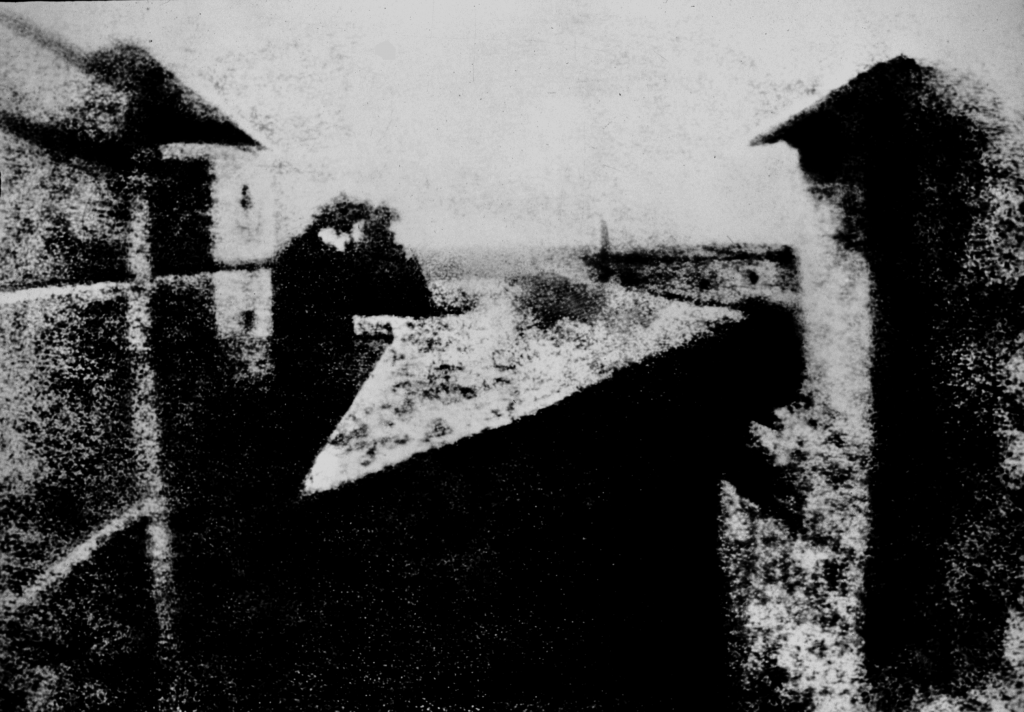
View from the Window at Le Gras c. 1826
- Photographer
- Joseph Nicéphore Niépce
- Where
- Saint-Loup-de-Varennes, France
- How
- Heliograph on a pewter plate
The oldest surviving camera photograph. Niépce pointed his camera obscura out of an upstairs window of his country house and left it there for hours, possibly days, until the rooftops and courtyard burned into a plate coated with bitumen. It's blurry and strange, and everything that came after starts here.
 02 / 20
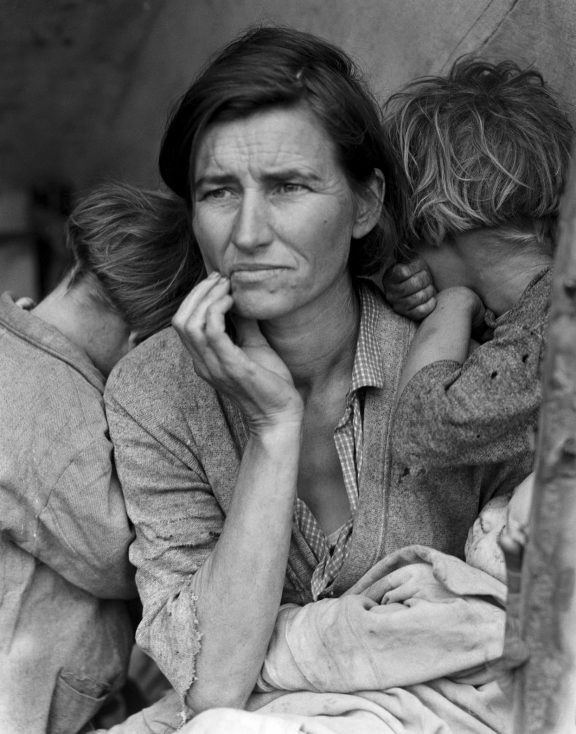
Migrant Mother 1936
- Photographer
- Dorothea Lange
- Where
- Nipomo, California, USA
- How
- Graflex camera, for the US Resettlement Administration
Florence Owens Thompson, 32 and a mother of seven, in a camp of hungry pea pickers during the Great Depression. Lange took six frames in about ten minutes. The final one became the face of the era, and its publication helped get food sent to the camp.
 03 / 20
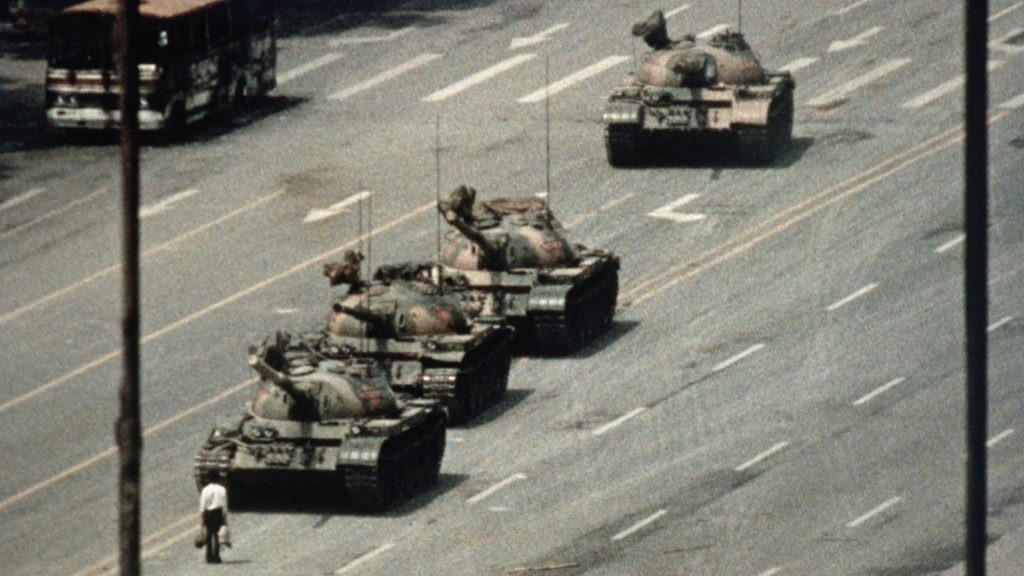
Tank Man 1989
- Photographer
- Jeff Widener (one of several photographers)
- Where
- Chang'an Avenue, Beijing, China
- How
- Shot from a balcony of the Beijing Hotel
The day after the crackdown in Tiananmen Square, a lone man with shopping bags stood in front of a column of tanks and refused to move. Several photographers caught the moment from the same hotel. Nobody knows for sure who he was or what happened to him, which is part of why the image still hits so hard.
 04 / 20
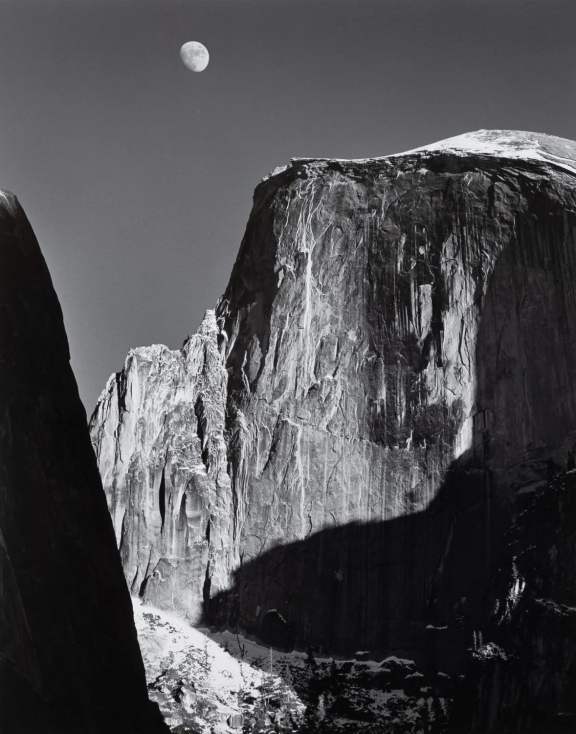
Moon and Half Dome 1960
- Photographer
- Ansel Adams
- Where
- Yosemite National Park, California, USA
- How
- Hasselblad, black and white
The moon rising over the granite face of Half Dome in late afternoon light. Adams was a master of tone, and this print shows his Zone System at its best: deep blacks, bright highlights and every texture of the rock in between.
 05 / 20
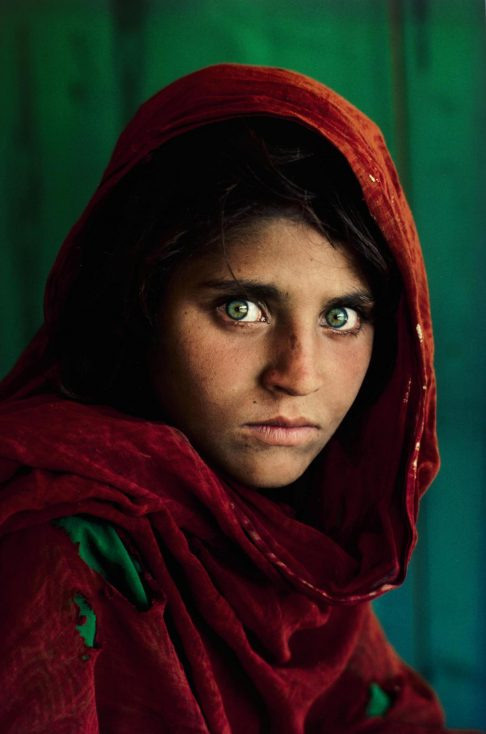
Afghan Girl 1984
- Photographer
- Steve McCurry
- Where
- Nasir Bagh refugee camp, Pakistan
- How
- Nikon FM2, Kodachrome 64
Sharbat Gula, then around 12, photographed in a school tent at a refugee camp. Her green eyes on the June 1985 cover of National Geographic made it one of the most recognised magazine covers ever. McCurry found her again in 2002.
 06 / 20
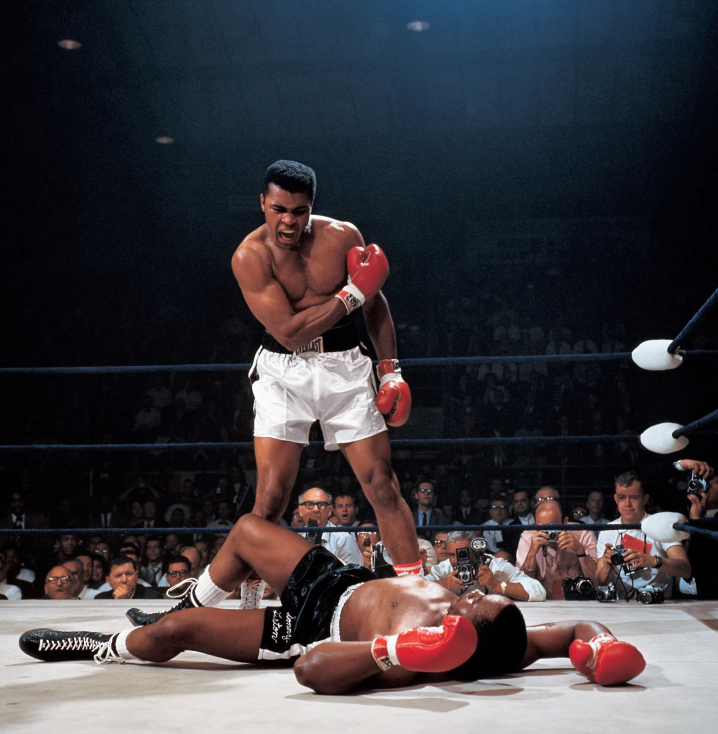
Muhammad Ali vs. Sonny Liston 1965
- Photographer
- Neil Leifer
- Where
- Lewiston, Maine, USA
- How
- Shot from ringside for Sports Illustrated
Ali stands over a floored Liston, shouting at him to get up, less than two minutes into their rematch. Leifer was sitting in exactly the right seat; the photographer opposite him got Ali's back. It's widely seen as the greatest sports photograph of the 20th century.
 07 / 20
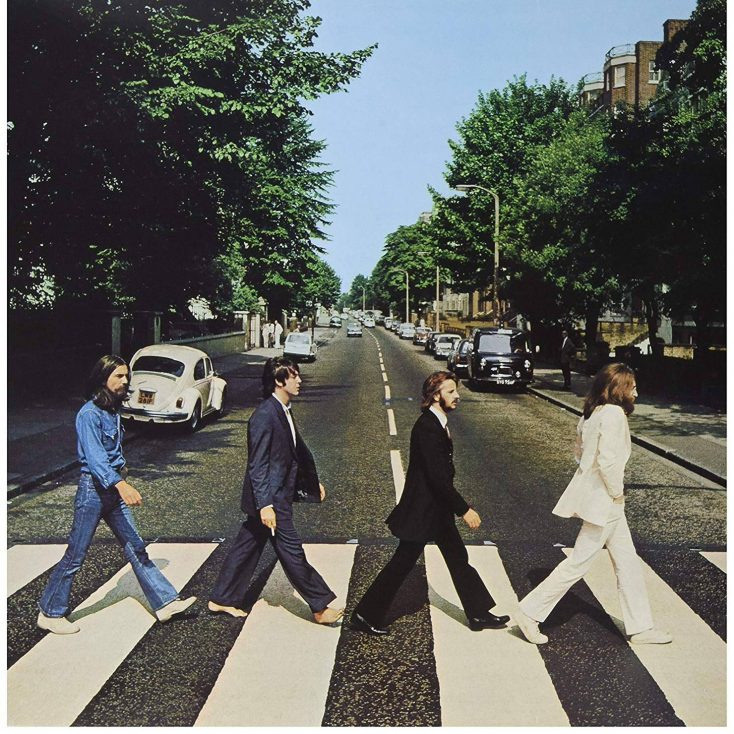
Abbey Road 1969
- Photographer
- Iain Macmillan
- Where
- Abbey Road, London, UK
- How
- Hasselblad, shot from a stepladder
A policeman held the traffic while Macmillan stood on a stepladder in the middle of the road. He had about ten minutes and took six frames as the Beatles walked back and forth over the zebra crossing. The fifth frame became the album cover, and the crossing is now a listed site.
 08 / 20
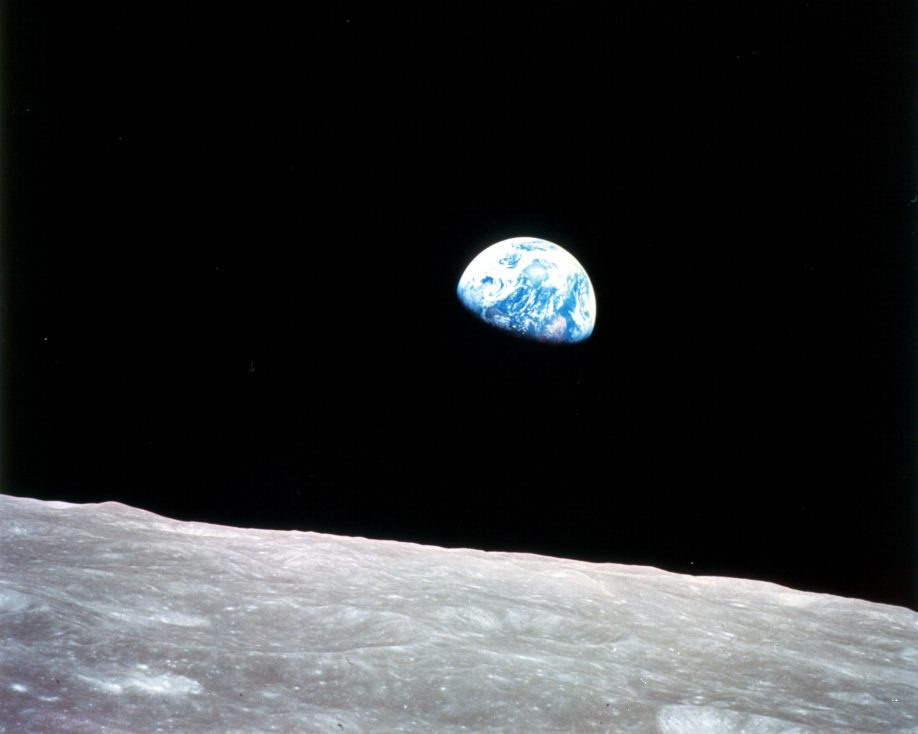
Earthrise 1968
- Photographer
- William Anders
- Where
- Lunar orbit, Apollo 8
- How
- Hasselblad 500 EL, 250mm lens, Ektachrome
On Christmas Eve 1968, the Apollo 8 crew watched Earth rise over the Moon's horizon and scrambled for a colour film magazine. It was the first time humans saw their planet like this, small and alone in the dark, and it's often credited with helping start the environmental movement.
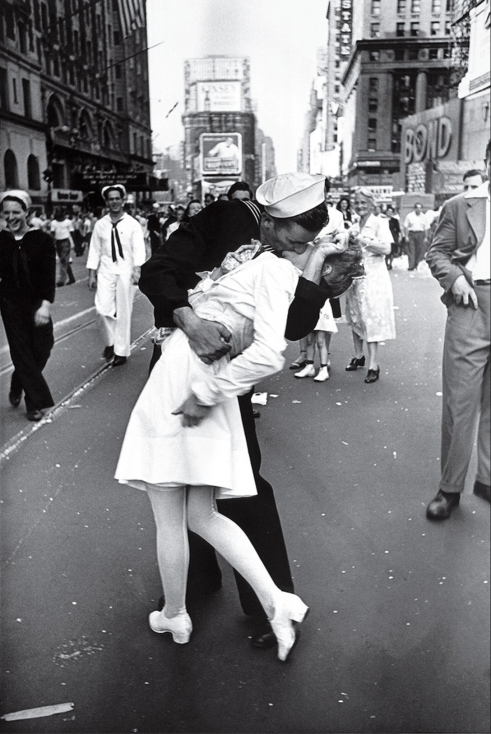 09 / 20
V-J Day in Times Square 1945
- Photographer
- Alfred Eisenstaedt
- Where
- Times Square, New York, USA
- How
- Leica IIIa, for Life magazine
A sailor kisses a woman in a white dress as New York celebrates the end of the Second World War. Eisenstaedt had seconds to get it. It's become a symbol of that day, though the moment, as the woman herself later said, wasn't as romantic as it looks.
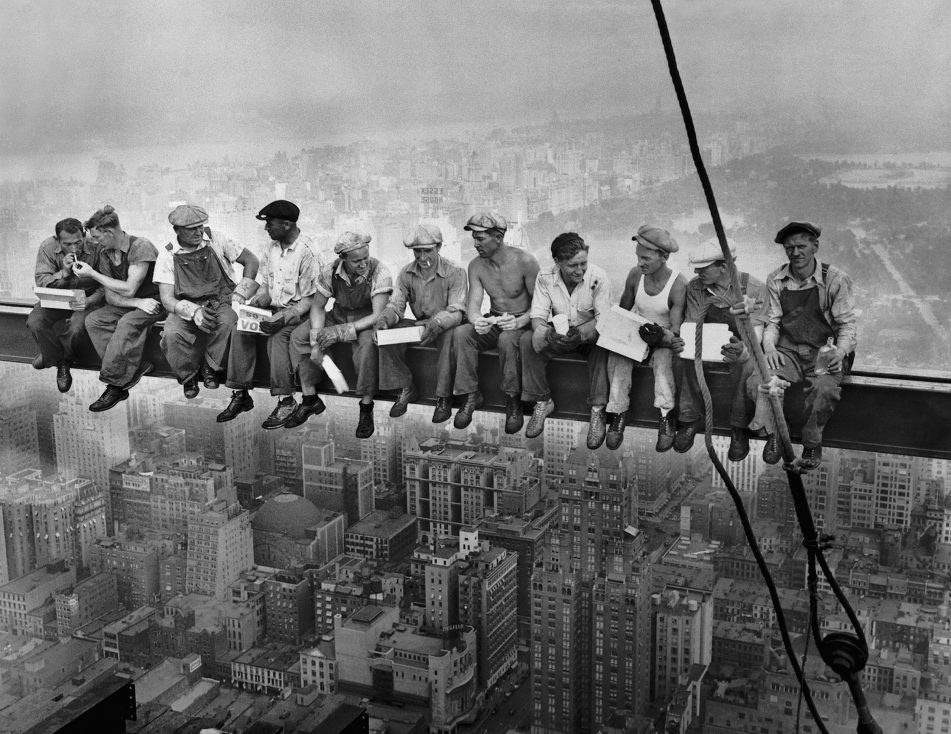 10 / 20
Lunch atop a Skyscraper 1932
- Photographer
- Unknown (long credited to Charles C. Ebbets)
- Where
- RCA Building, Rockefeller Center, New York, USA
- How
- Published in the New York Herald Tribune
Eleven ironworkers eat lunch on a steel beam 69 floors above Manhattan, with no harnesses. It was a staged publicity shot for the building, but the men were real workers, and the picture became a symbol of the people who built New York.
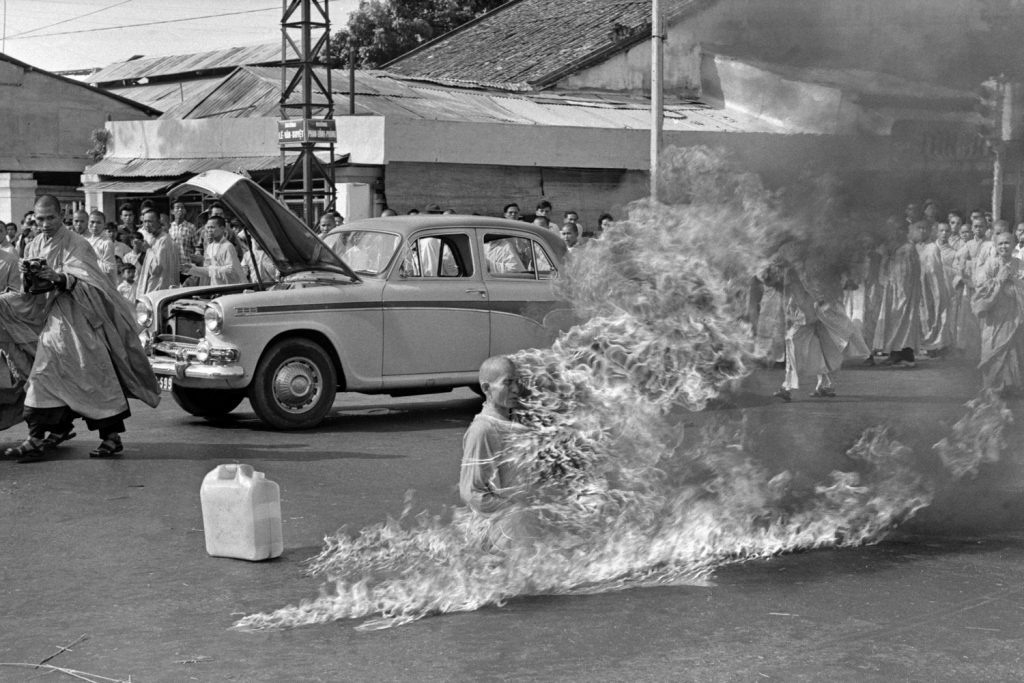 11 / 20
The Burning Monk 1963
- Photographer
- Malcolm Browne
- Where
- Saigon, South Vietnam
- How
- For the Associated Press
Buddhist monk Thích Quảng Đức sat in the middle of a busy road and set himself on fire in protest at the persecution of Buddhists. Browne was one of the few journalists there. The photo won the World Press Photo of the Year and pushed the world to pay attention to South Vietnam.
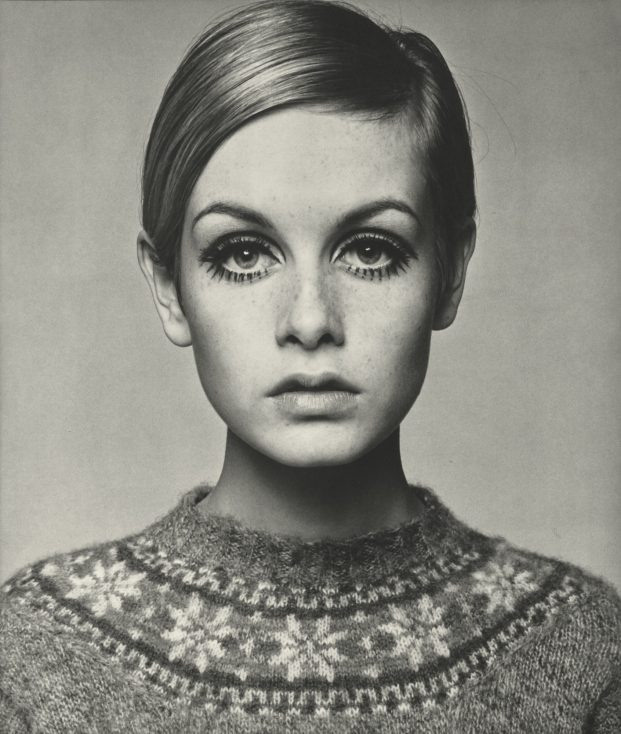 12 / 20
Twiggy 1966
- Photographer
- Barry Lategan
- Where
- London, UK
- How
- Studio portrait
Lategan's photos of a 16-year-old Lesley Hornby, fresh from a new short haircut, landed in the Daily Express, which named her "The Face of '66". They changed what a model looked like and helped define the look of the Swinging Sixties.
 13 / 20
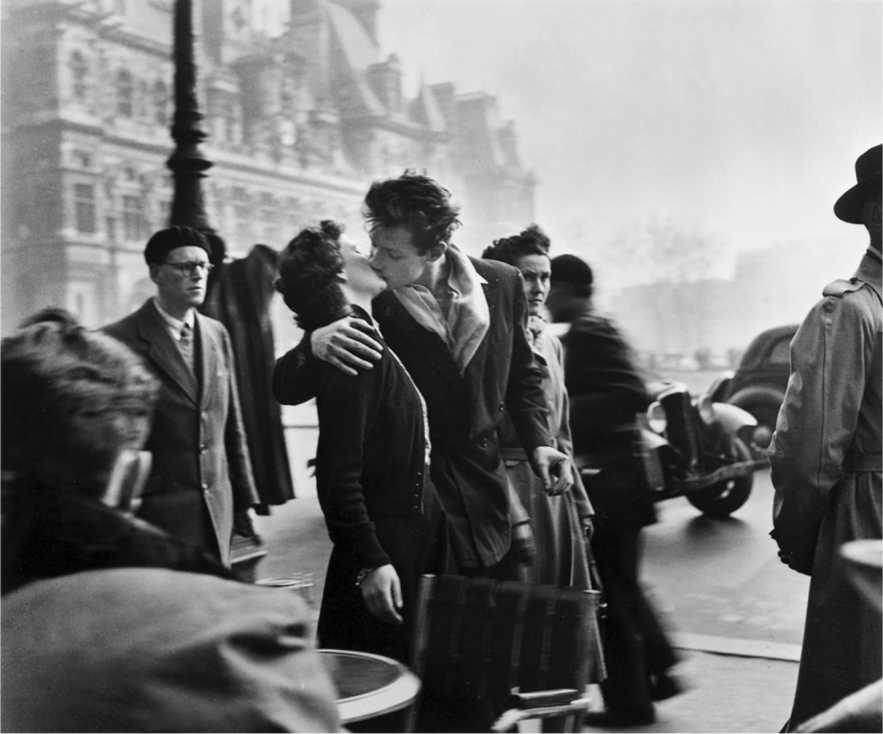
Le Baiser de l'Hôtel de Ville 1950
- Photographer
- Robert Doisneau
- Where
- Paris, France
- How
- For Life magazine
A couple kissing in the middle of a busy Paris street, ignored by everyone walking past. It became the picture of romantic Paris. Decades later Doisneau admitted he had posed it with two young actors, which shows how much a photograph can feel true even when it's staged.
 14 / 20
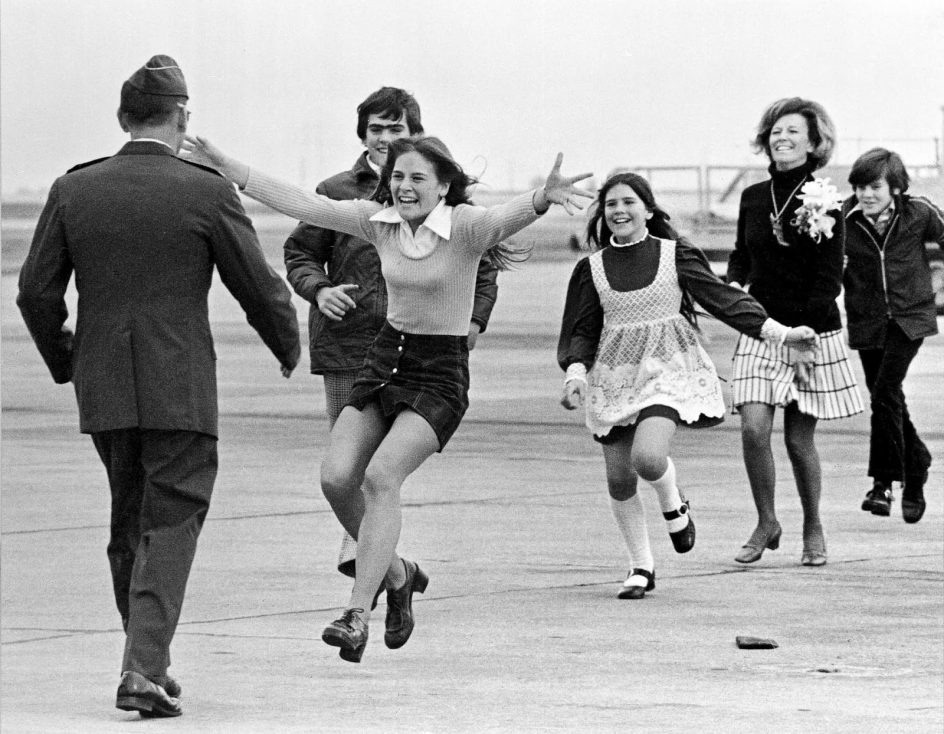
Burst of Joy 1973
- Photographer
- Slava (Sal) Veder
- Where
- Travis Air Force Base, California, USA
- How
- For the Associated Press
Lieutenant Colonel Robert Stirm comes home after more than five years as a prisoner of war in Vietnam, and his teenage daughter runs to him with her arms open. The picture won the Pulitzer Prize. The full story behind it was more complicated, but the joy in that frame is real.
 15 / 20
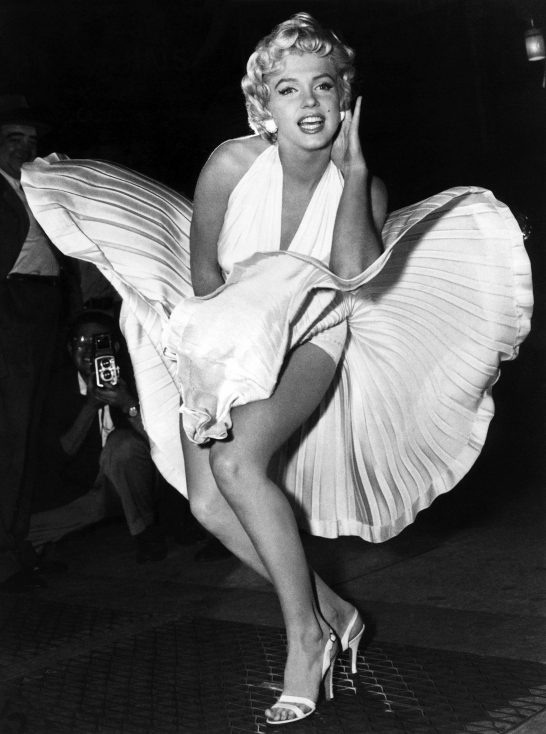
Marilyn Monroe in The Seven Year Itch 1954
- Photographer
- Sam Shaw
- Where
- Lexington Avenue, New York, USA
- How
- Publicity still for the film
Marilyn's white dress blowing up over a subway grate, shot on a New York street in front of a huge crowd of fans and photographers. The scene was reshot in a studio for the film, but the street photos are the ones everyone remembers. It's one of the most copied images in pop culture.
 16 / 20
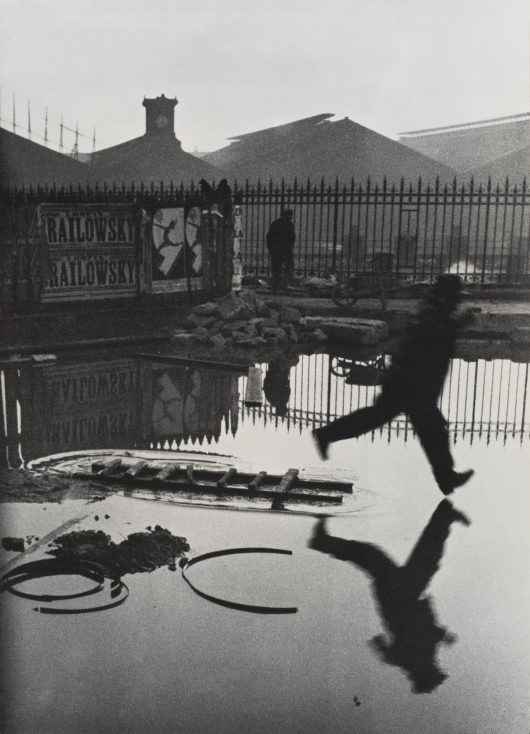
Behind the Gare Saint-Lazare 1932
- Photographer
- Henri Cartier-Bresson
- Where
- Paris, France
- How
- Leica, shot through a gap in a fence
A man leaps over a flooded yard behind a Paris train station, a split second before his heel hits the water. It's the textbook example of the 'decisive moment', the idea that everything in the frame comes together for just an instant, and the street photographer's job is to catch it.
 17 / 20
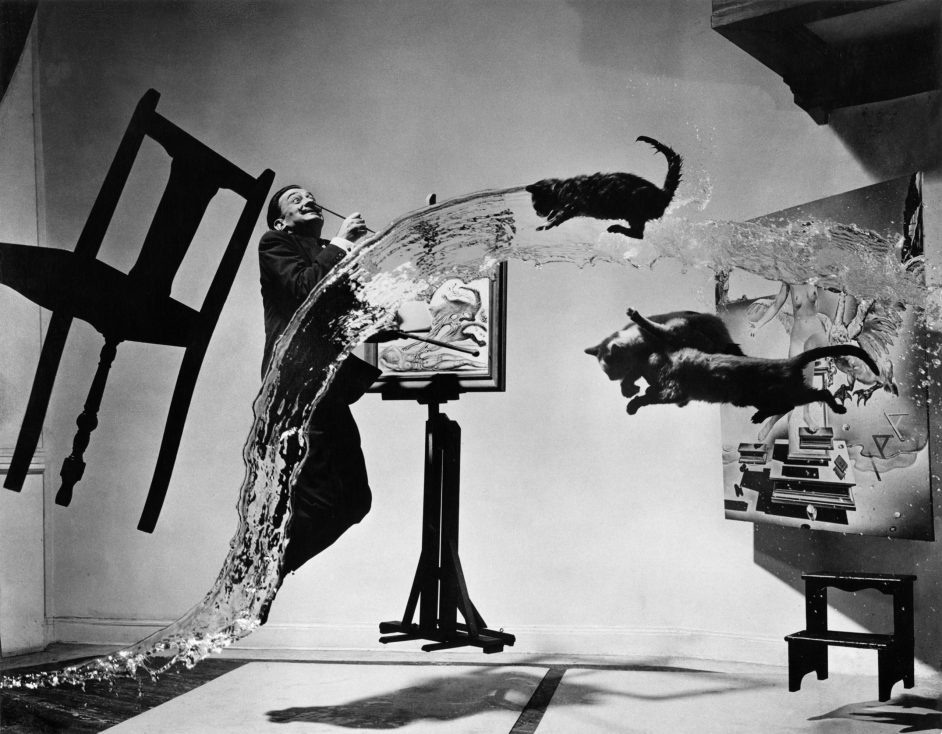
Dalí Atomicus 1948
- Photographer
- Philippe Halsman
- Where
- New York, USA
- How
- Medium format, in the studio
Salvador Dalí in mid-air, with three cats and a stream of water flying past him. There was no Photoshop. Assistants threw the cats and the water, Dalí jumped, and it took six hours and 28 attempts to get this frame.
 18 / 20
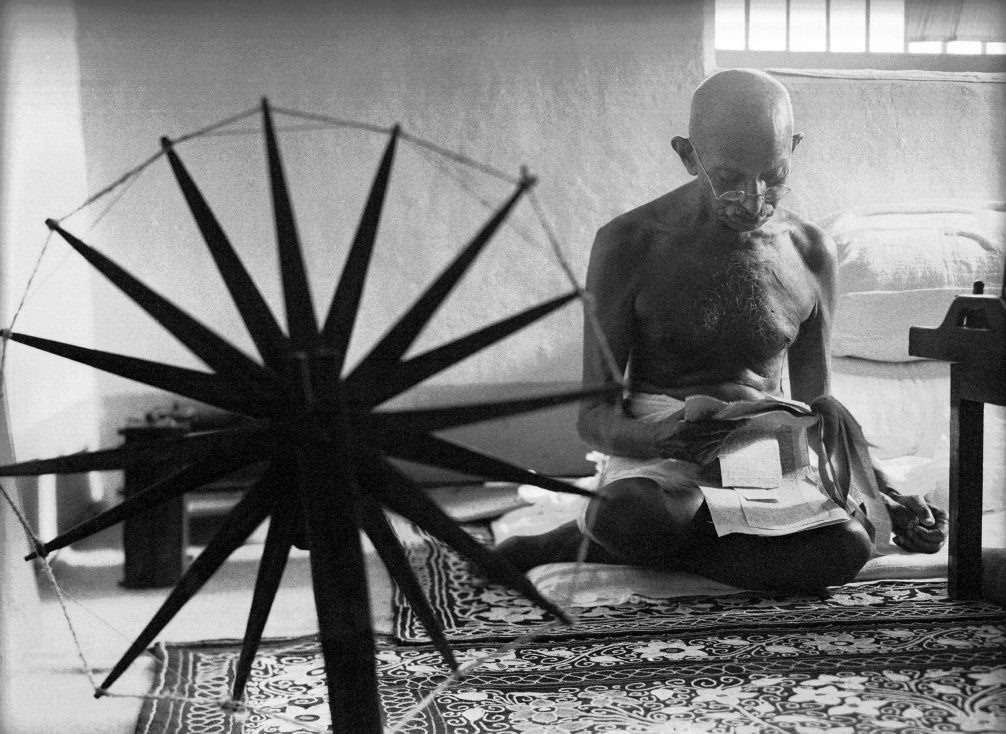
Gandhi and the Spinning Wheel 1946
- Photographer
- Margaret Bourke-White
- Where
- India
- How
- For Life magazine
Gandhi reading, with his spinning wheel in the foreground, the symbol of his push for India's self-reliance and independence. Bourke-White had to learn to spin before she was allowed to photograph him. It was published in Life after his assassination in 1948.
 19 / 20
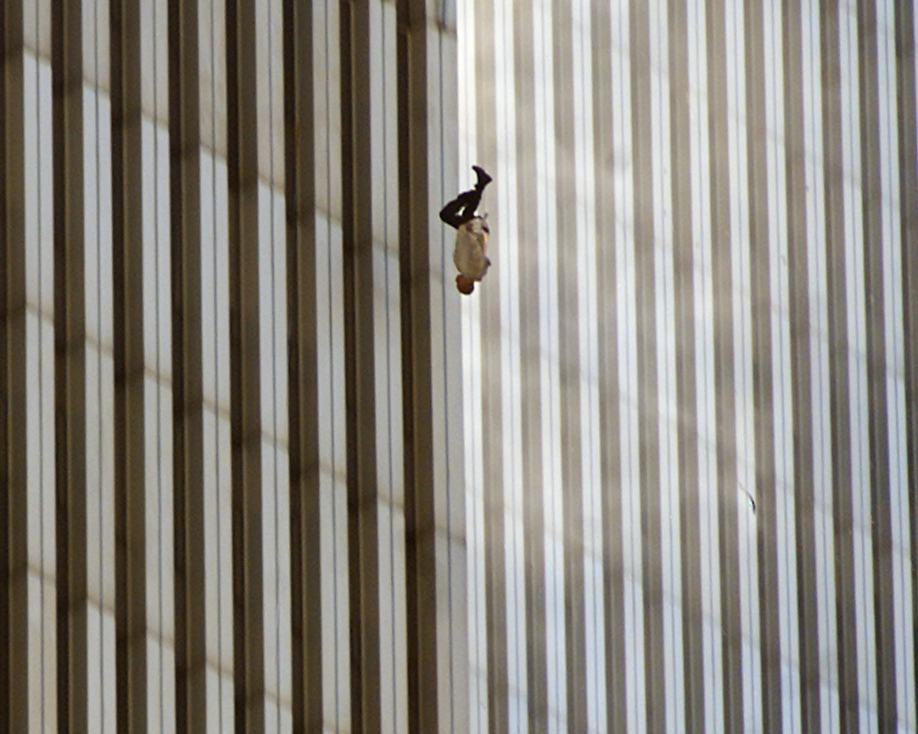
The Falling Man 2001
- Photographer
- Richard Drew
- Where
- World Trade Center, New York, USA
- How
- For the Associated Press
A man falls head first from the North Tower on the morning of 11 September. The photo ran in newspapers around the world the next day, then all but disappeared after readers objected. It's still one of the most debated images ever published, and the man has never been identified for certain.
 20 / 20
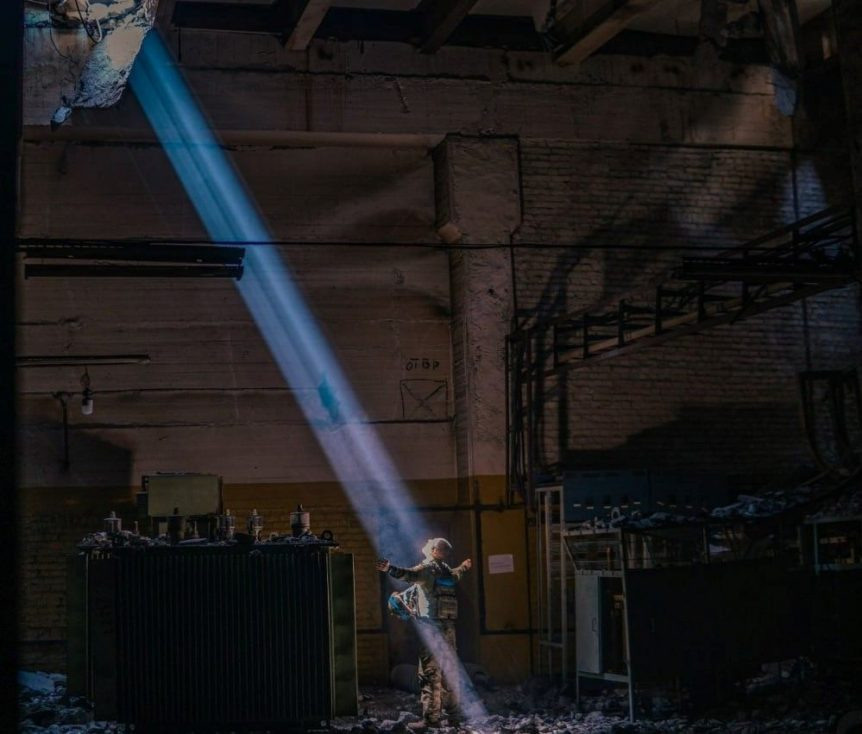
The Light Will Win 2022
- Photographer
- Dmytro Kozatskyi
- Where
- Azovstal steel plant, Mariupol, Ukraine
- How
- Self-portrait inside the besieged plant
A soldier stands in a beam of sunlight falling through a shell hole in a dark bunker. Kozatskyi, a photographer and soldier with the Azov regiment, made this self-portrait during the siege of Mariupol. It spread around the world and has become a symbol of resistance and hope.
None of these needed perfect conditions or the latest gear. They needed someone paying attention at the right moment. If you want to see what I've been paying attention to lately, start here.
Photographs © their respective photographers and agencies, shown for commentary and review.
Life is filled with many moments, from the ephemeral to the eternal. But it is the art of photography that allows us to capture and immortalise them. World Photography Day, celebrated on 19 August, is a tribute to this remarkable art form. From the first daguerreotypes to today’s digital age, every click of a camera shutter tells fascinating stories. In honour of this momentous day, we have carefully selected a collection of 20 iconic photographs that span different eras, chronicle different events and evoke a multitude of emotions. This selection invites us to savour images that invariably rekindle our admiration for the art of photography.
From the depths of human struggle to the heights of triumph, these photographs capture moments that are forever etched in our memories. Their beauty, sometimes stark and sometimes uplifting, serves as a visual reminder of the important role the camera plays in our lives. It is not just an observer, it creates narratives that might otherwise remain in the annals of time. Collectively, these images carry the transformative power of photography. Not only are the subjects mesmerising, but also the unique perspectives they introduce us to. As we journey from the earliest photographs to the moments that defined the twentieth century, we reflect on the photographers who shaped history with their discerning eye.
“View from the window at Le Gras” by Joseph Nicéphore Niépce
The earliest surviving photograph.
“Migrant Mother” by Dorothea Lange
A poignant portrayal of the Great Depression.
“Tank Man in Tiananmen Square.”
An anonymous act of resistance and courage in the face of repressive regimes.
“Moon and Half Dome” by Ansel Adams
A testament to the greatness of nature.
Steve McCurry’s “Afghan Girl” for National Geographic
An eye-catching look that has become an icon.
“Muhammad Ali vs. Sonny Liston” by Neil Leifer
The triumph of a boxing legend.
The Beatles' “Abbey Road” album cover by Iain Macmillan
A casual stroll that has made music and photography history.
Earthrise, photographed during the Apollo 8 mission
The first image of the beautiful isolated Earth obtained by man from space.
“V-J Day in Times Square” by Alfred Eisenstaedt
A spontaneous expression of joy after World War II.
“Lunch atop a skyscraper.”
Construction workers eating lunch on the beam of a skyscraper.
“The Burning Monk” by Malcolm Browne
A chilling protest against persecution.
Twiggy by Barry Lategan
The evolution of beauty standards through iconic fashion moments.
“Kiss” by Robert Doisneau
A candid glimpse of romance in Paris.
“Burst of Joy” by Slava Veder
A returned prisoner of war is greeted with joy by his family.
The scene in Marilyn Monroe’s white dress
How photography helps create iconic moments in cinema.
“Behind the Gare Saint-Lazare” by Henri Cartier-Bresson
The “decisive moment” in street photography.
“Dalí Atomicus” by Philippe Halsman
Surrealism brought to life.
“Gandhi and the Spinner” by Margaret Bourke-White
A peaceful revolutionary in a candid setting.
9/11 Falling Man by Richard Drew
The need for resilience even in one of the most tragic moments of humanity.
“The Light Will Conquer” by Orestes Kozacki
A stark reminder that light dispels darkness and good always triumphs over evil.
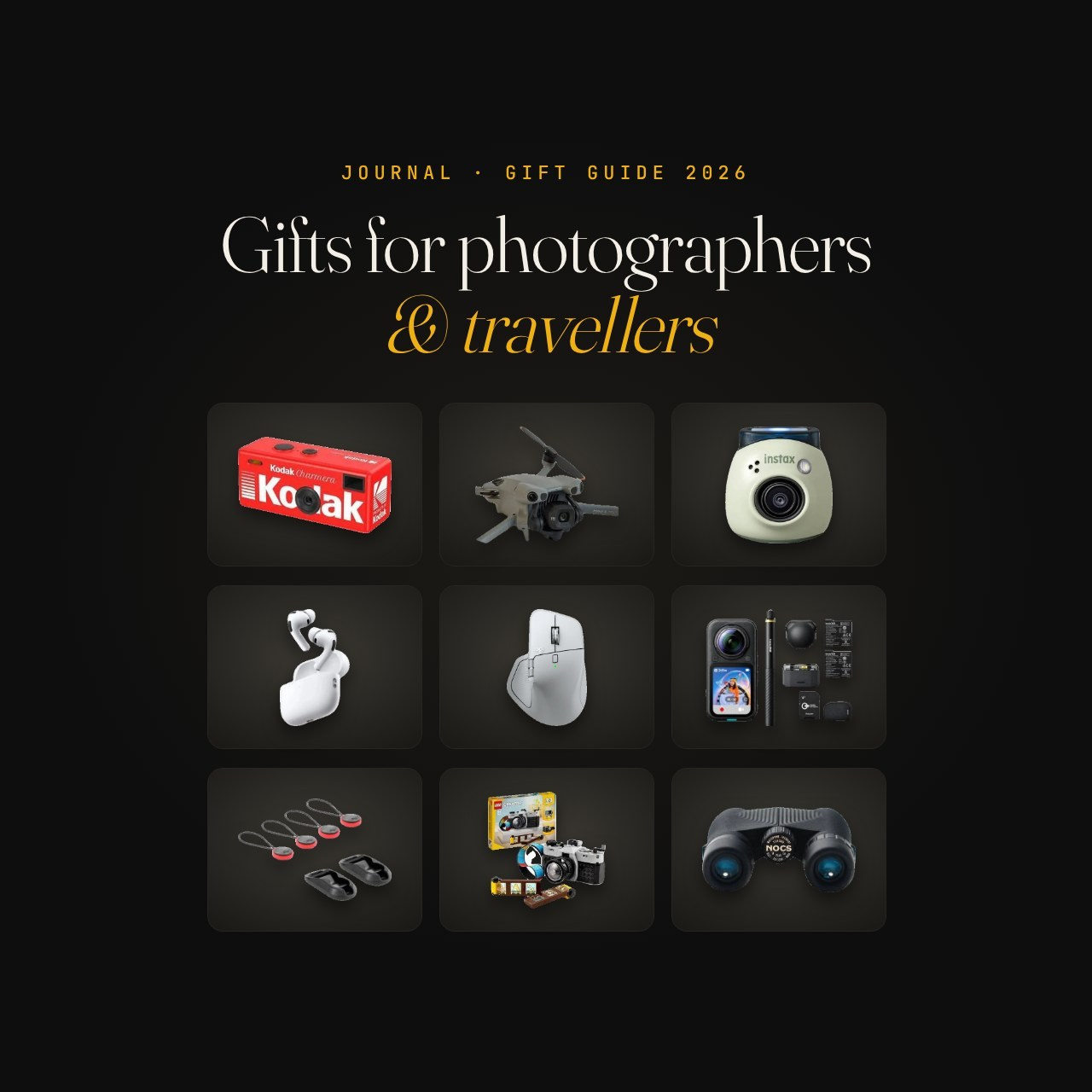
Gifts for photographers and travellers, 2026

What's in my bag: the gear behind every photo