Chapter 9 of 15 · 15 minutes

Golden hour and light: the real subject of every photo

The same place can look flat at noon and glowing an hour before sunset. Learning to see light, and to turn up when it is good, will improve your photos more than any camera you could buy.

A phone can't change the light, but you can choose it. This chapter shows how light changes through the day, how to find soft light for faces, and how to get your phone to keep the colour of a sunset instead of "correcting" it.

Short answer

Light matters more than any setting. The best light is usually in the hour after sunrise and the hour before sunset, plus the blue minutes either side. Soft light from clouds, shade or a window flatters faces. Midday sun is harsh, but good for bold shadows and strong colour.

Short answer

Light matters more than any phone. Shoot in the first and last hour of sun for warm, soft light, use open shade or a window for faces, and keep the flash off. When the sun is behind your subject, tap their face and nudge the brightness down a little so the sky keeps its colour.

Interactive

A day of light

Drag the sun from before sunrise to after sunset. Watch the colour, the shadows and the mood.

The time of day changes colour, direction and softness. Plan the photo around the light, not the other way round.

Calculator

Golden hour and blue hour for your city

Golden hour: the sun is between 6° above and 4° below the horizon, warm and soft. Blue hour: between 4° and 6° below, deep blue skies with city lights. Calculated in your browser; nothing is sent anywhere.

Your city not in the list? Tap "Use my location". Your location stays in your browser.

Golden hour times change with the seasons and your latitude. Check them the night before.

Interactive

Hard light or soft light

A small light source (the sun on a clear day, a bare bulb) makes hard light: crisp shadows, strong contrast. A big source (clouds, a window, a softbox) makes soft light: gentle shadows, flattering on faces.

The bigger the light source compared with the subject, the softer the shadows.

Interactive

Where the light comes from

Walk around your subject and watch the light change. Side light is the quickest way to make a flat scene interesting.

In depth

Bad weather is often good light

Most beginners wait for blue skies. Many photographers do the opposite, because the most interesting light usually comes with weather.

  • Overcast. The whole sky becomes one huge, soft light. Perfect for portraits, forests, waterfalls and food: no harsh shadows, no squinting. Keep the white sky out of the frame.
  • Breaking storms. Gaps in the cloud let shafts of sun through onto a dark landscape. Stay out after the rain; the best minutes are often just as it clears.
  • Fog and mist. Simplifies busy scenes and separates layers. Add +0.3 to +1 exposure compensation so it stays white rather than grey.
  • Rain at night. Wet streets double every light. Shoot reflections in puddles from low down.
  • Snow. A giant reflector that fills in shadows. Watch the exposure (plus compensation) and the white balance (it can turn blue in shade).

Midday is not a write-off

Harsh noon light is hard for faces but excellent for strong colours, deep shadows and graphic architecture. Look for shade for portraits: an open doorway, the shadow of a building or a tree, with your subject facing out towards the bright area. The light that bounces in is soft and even.

In depth

Window light: the best free studio

A window with no direct sun coming through is one of the most flattering lights in photography. North-facing windows (south-facing in the southern hemisphere) give the most consistent light through the day.

  1. Place your subject a metre or two from the window, turned slightly towards it.
  2. Stand with your back to the side wall, so the light comes from the side of the frame. That gives shape to the face.
  3. If the shadow side is too dark, hold a white card, pillow or sheet on that side to bounce light back in.
  4. Turn off the room lights. Mixed colours from bulbs and daylight make skin look patchy.
  5. Expose for the face, let the background fall darker, and enjoy the mood.

The same set-up works for food, products and still life: light from the side or slightly behind, a white card in front to fill.

Your phone

Light and your phone: five habits

Keep the flash off

A phone flash is tiny and right next to the lens: flat faces, shiny skin, black backgrounds. Set it to Off and use Night mode, a lamp or a window instead.

Protect the sunset

The phone tries to balance a sunset towards neutral. Tap the brightest part of the sky and slide the brightness down. An Amber or Gold style keeps the warmth.A warm filter, or WB around 6000 K in Pro mode, keeps the warmth.Slide White balance to the right in Controls to keep the warmth.

Use backlight

Sun behind your subject gives glowing hair and edges. Tap the face; the phone's HDR keeps the sky. Lift Shadows rather than Brightness.Nudge the brightness down a step if the sky turns white.

Clean the lens for flare

Pointing at the sun or street lights shows every smudge as glow and streaks. Wipe the lens and shield it with your hand.

Blue hour is phone hour

The half hour after sunset suits phones well: soft, even light that Night mode handles easily. Rest the phone on something.

Good light does most of the work. Your job on a phone is to stop it "fixing" the light you chose.

Real photos

Light in the real world

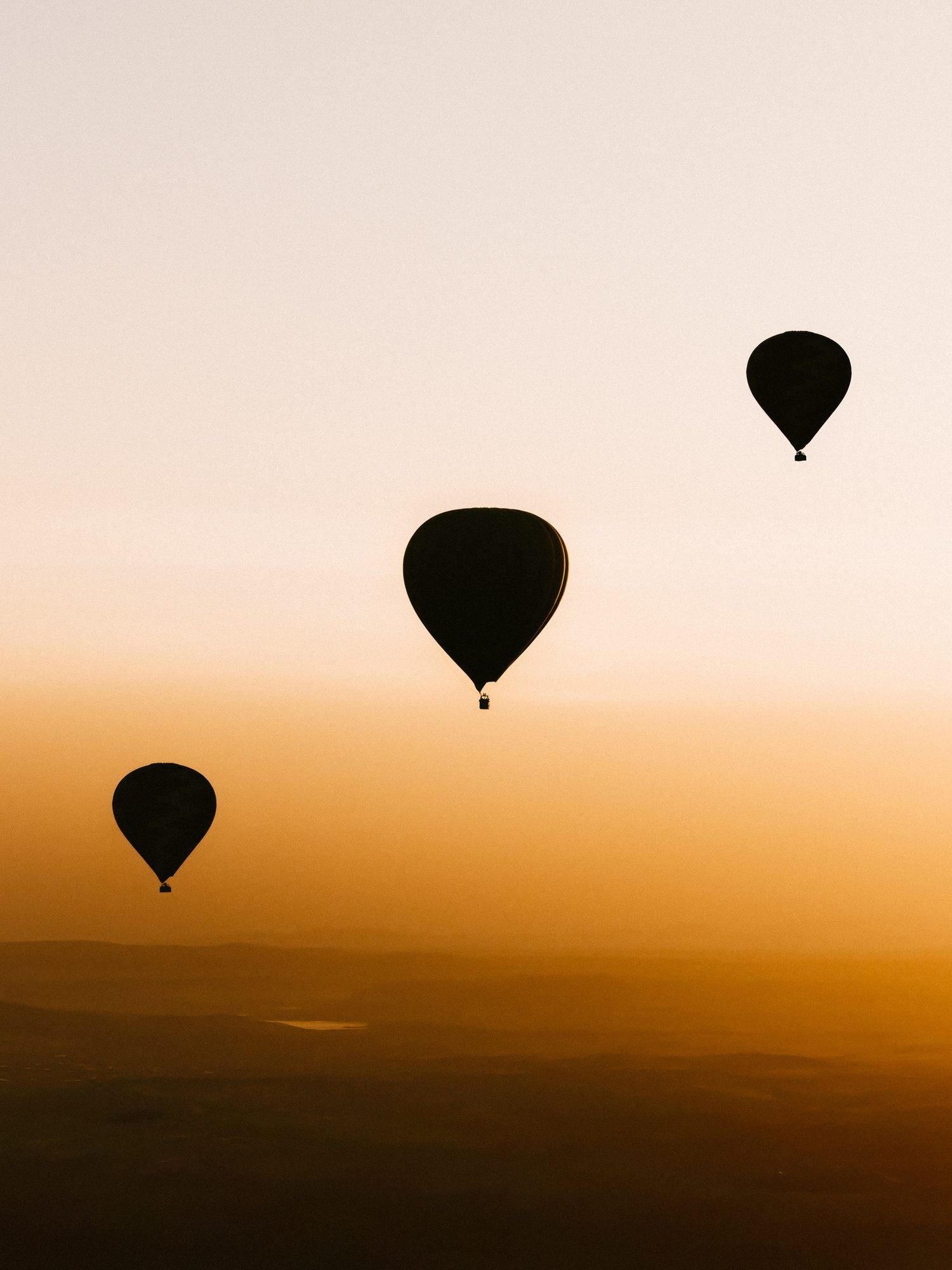
Hot air balloons silhouetted against a golden sunrise sky
Golden hour. Warm, low, soft light. Shoot towards the glow, expose for the sky
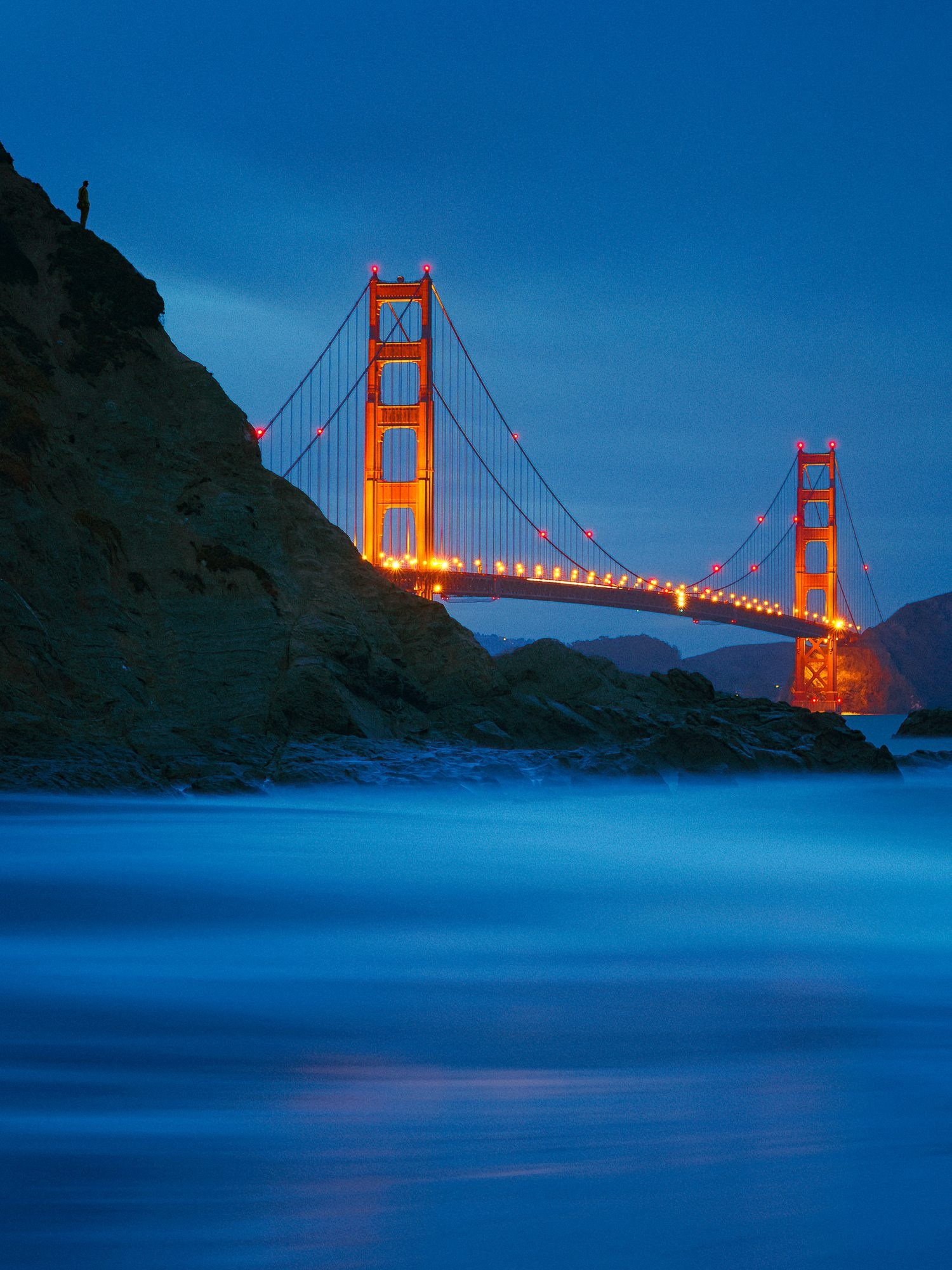
A red suspension bridge glowing with lights at blue hour over deep blue water
Blue hour. City lights balance the sky. Tripod, f/8, 1 to 10 s, ISO 100On a phone: Night mode, phone resting on a wall
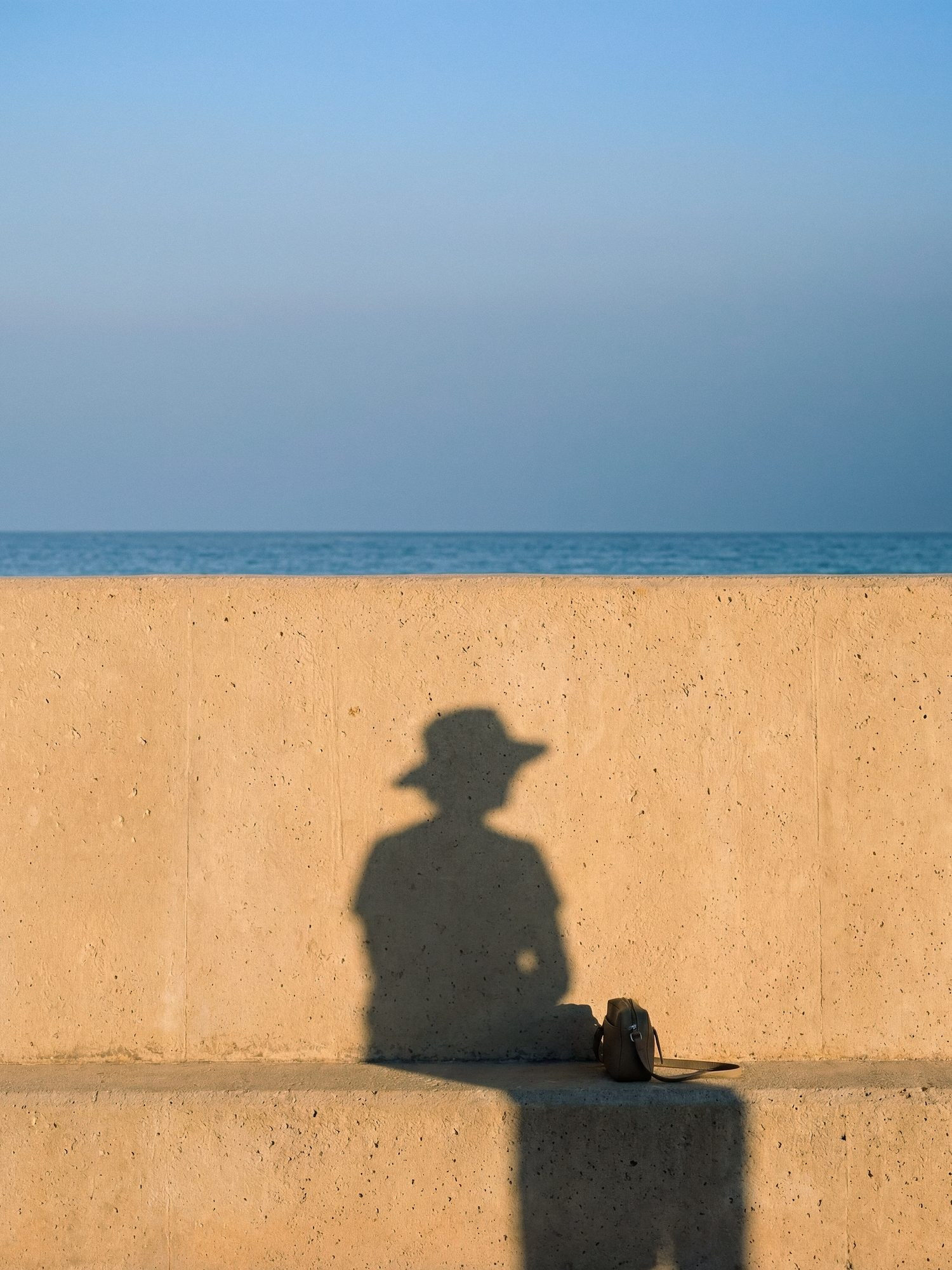
Hard midday sun casting a sharp shadow of a person in a hat on a pale seaside wall
Hard noon light. Use the shadows as the subject. -0.7 compensation to keep the highlightsOn a phone: tap the brightest part, slide the brightness down a little
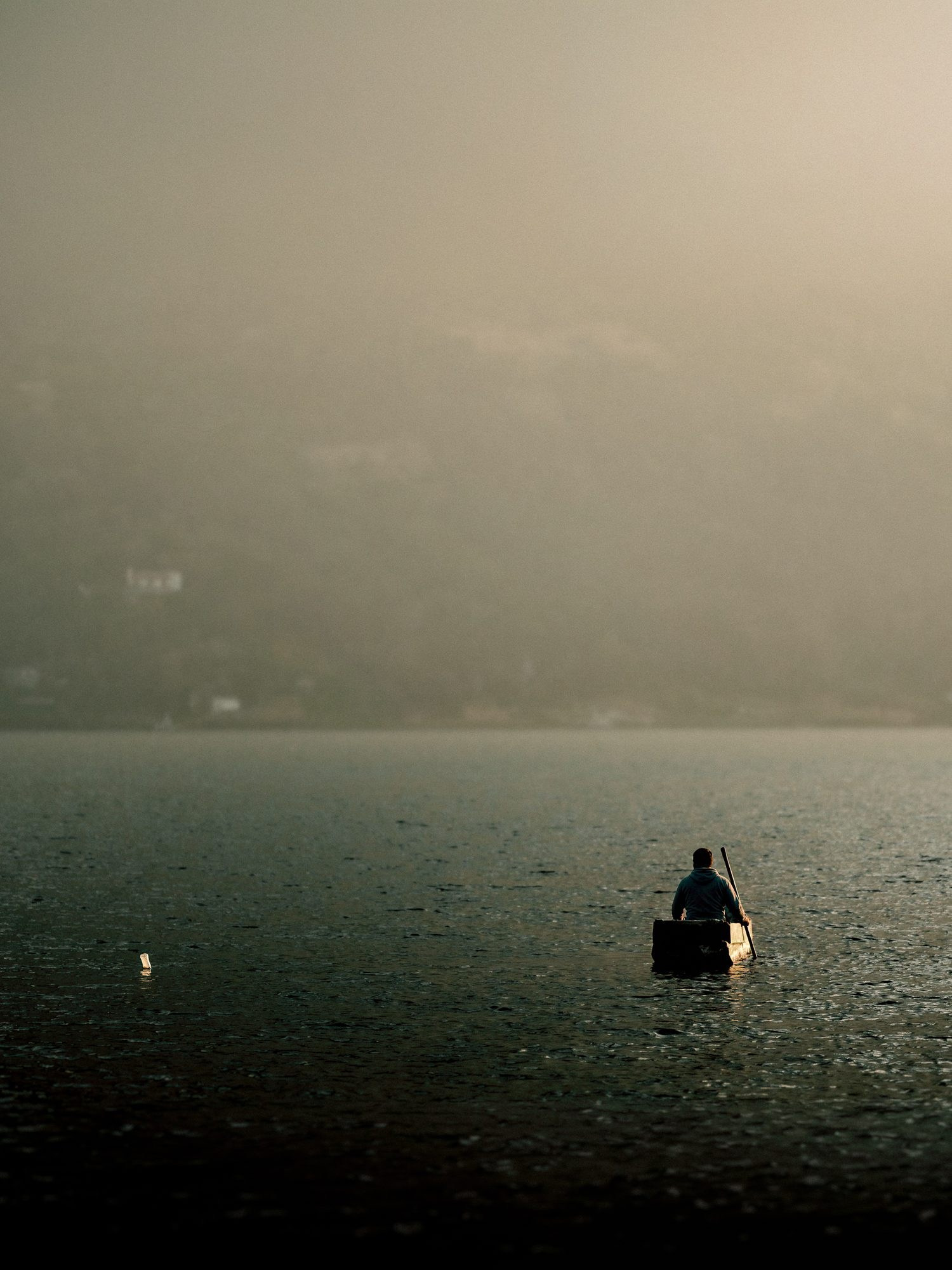
A lone rower in a small boat on a calm, misty grey bay
Soft fog. Clouds and mist are a giant softbox. +0.3 to +0.7 compensation to keep it airyOn a phone: slide the brightness up a little
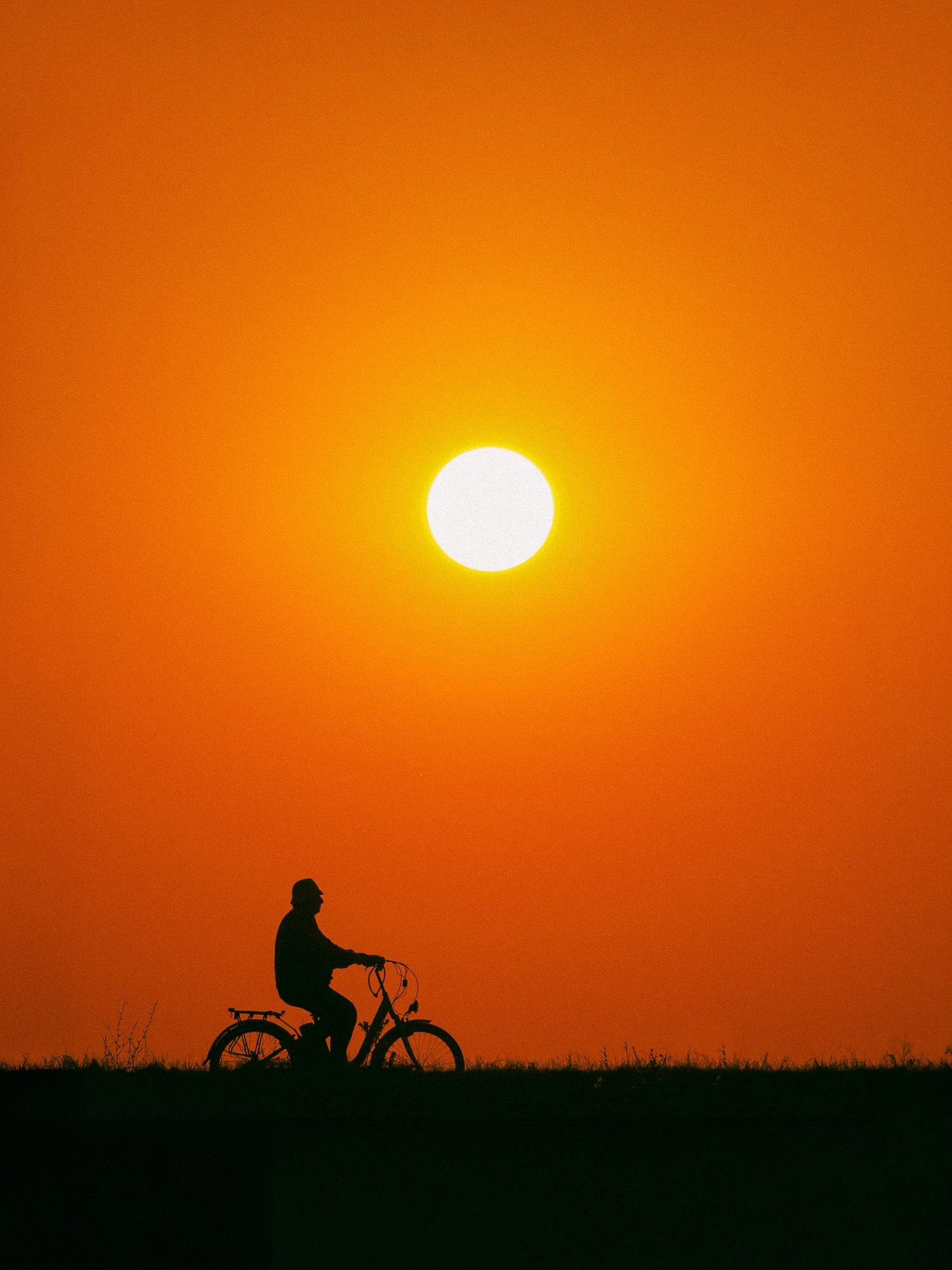
Silhouette of a cyclist against a huge orange setting sun
Backlight. Light behind the subject makes silhouettes. Expose for the bright sky
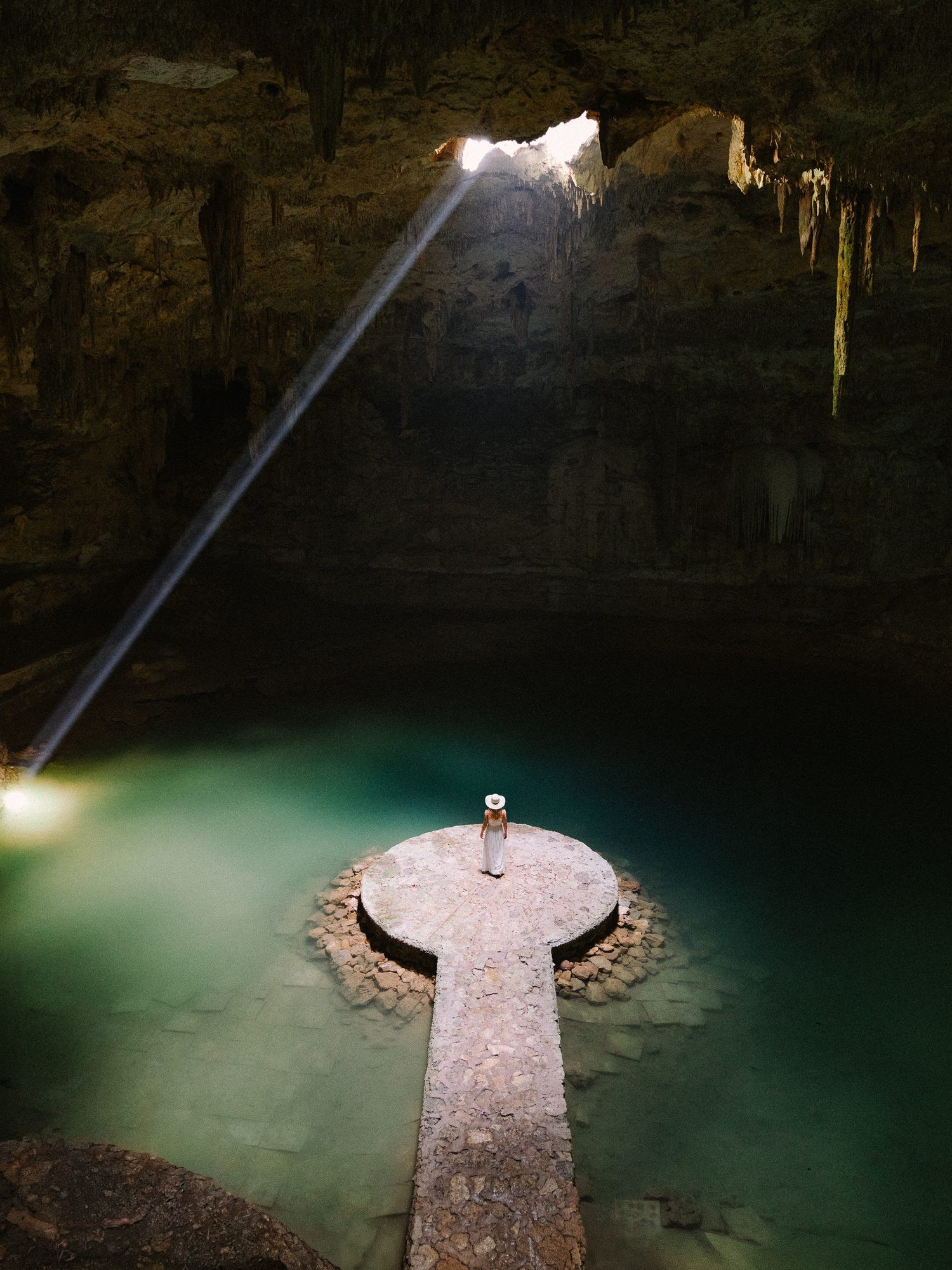
A single beam of sunlight shining into a dark cavern onto a stone walkway and green water
A beam of light. Hard light in a dark place. Expose for the beam, let the rest go dark
Avoid these

Light mistakes

Arriving at sunset

The best colour is often in the 20 minutes before and after. Fix: be set up 45 minutes early and stay 30 minutes after.

Faces in full noon sun

Dark eye sockets, squinting, shiny skin. Fix: move into open shade, or put the sun behind them.

Packing up when it clouds over

Soft light is perfect for people and forests. Fix: change subject, not plans.

Pop-up flash straight on

Flat faces, red eyes, black backgrounds. Fix: find window light, or raise ISO instead.

Shooting only with the sun behind you

Front light is flat and makes people squint. Fix: try side light and backlight too.

Avoid these

Light mistakes on a phone

Arriving at sunset

The best colour is often in the 20 minutes before and after. Fix: be there 45 minutes early and stay 30 minutes after.

Faces in full noon sun

Dark eye sockets, squinting, shiny skin. Fix: move into open shade, or turn them so the sun is behind.

Flash on Auto

It fires in every dim room and flattens everything. Fix: set flash to Off once and forget it.

Letting the phone brighten the night

Night mode can turn dusk into fake daylight. Fix: shorten Night mode or slide the brightness down.

Only shooting with the sun behind you

Front light is flat. Fix: try side light and backlight too.

Myth or fact?

Test what you think you know

Golden hour is exactly one hour long.

Its length depends on your latitude and the season. Near the equator it can be short; in northern summers the low, warm light can last for hours.

A cloudy sky acts like a giant softbox.

Clouds spread the sun across the whole sky, making a huge light source. Big light sources give soft shadows.

You should always keep the sun behind you.

That old rule avoids lens flare, but it also gives flat light. Backlight gives glowing hair and rim light; just add plus compensation.

The story behind it

A lighting pattern named after a painter

1600s

Rembrandt's triangle of light

The Dutch painter Rembrandt often lit his portraits from a high window to one side. The light falls across the face so that the far cheek is in shadow except for a small triangle of light under the eye. Portrait photographers still call this Rembrandt lighting, and you can make it with one window and a person turned slightly away from it.

Look for the triangle next time you set up window light: when it appears, you have given the face shape and depth with a single source.

Try this now

One place, three times of day

Days 13 to 15 of the 30-day plan.

  1. Choose a spot near home you can reach easily.
  2. Photograph it at noon, in golden hour and in blue hour, from the same position.
  3. Put the three side by side. Which one would you post?
FAQ

Light questions people ask

When is golden hour?

Roughly the first hour after sunrise and the last hour before sunset, when the sun is low. Use the calculator above for your city and date.

What is blue hour?

The period just before sunrise and after sunset when the sun is below the horizon and the sky turns deep blue. The deepest blue often lasts only 10 to 20 minutes, longer in winter and further from the equator. Great for cities.

How do I take photos in harsh sunlight?

Put people in open shade or with the sun behind them, and add plus compensation. For landscapes and architecture, use the strong shadows as part of the design.

What is the difference between hard and soft light?

Hard light comes from a small or distant source (direct sun) and casts sharp shadows. Soft light comes from a large source (cloud, window, shade) and gives gentle shadows.

How do I photograph people indoors without flash?

Put them near a window and turn off room lights. On a camera, open the aperture and let Auto ISO rise to 3200 or 6400. On a phone, hold still and let Night mode do its work.

Keep going

Related on this site

Check yourself

Three quick questions